Building a Web Presence for Industrial Businesses
Why Industrial Companies Need a Thoughtful Website
A website for an industrial business is not the same as a site for a bakery or a boutique. The audience is different, the goals are different, and the way visitors behave is different. Industrial buyers tend to research carefully, compare specifications, and look for proof of reliability. They want to see that a company knows its field and can deliver on promises. A well-crafted site can serve as a 24-hour salesperson, answering questions and building trust before a single phone call is made.
What Makes Industrial Web Design Distinct
Industrial website design focuses on clarity and credibility. The layout should guide a visitor quickly to the information they need. That often means a clean homepage with a clear statement of what the company does, followed by sections on services, capabilities, and past work. Navigation should be simple, with labels that make sense to someone in the industry. Jargon is fine if the audience understands it, but avoid clutter.
Visuals matter a lot. Photographs of equipment, facilities, and completed projects give visitors a sense of scale and competence. Videos showing processes or factory tours can be even more effective. But be careful with page load times; industrial visitors may be on slower connections or checking a site on a phone in the field. Optimise images and keep pages lean.
Content That Speaks to Buyers
The text on an industrial site should answer the questions a buyer would ask. What materials do you work with? What tolerances can you hold? What certifications do you hold? What is your lead time? Answering these directly shows transparency and saves time for both sides. Case studies are powerful here. Describe a problem a client had, what you did to solve it, and what the result was. Use real numbers where possible, like percentage reductions in waste or improvements in output.
Avoid vague marketing language. Phrases like "we are a leading provider" without evidence do little. Instead, say something like "we have supplied precision components for automated packaging lines since 2005." That gives a concrete impression of experience and specialisation.

Practical Considerations for the Design
Think about how people will find the site. Many industrial buyers start with a search for a specific problem or product. So each page should be optimised for a relevant search term, not just the company name. Use headings that match what someone would type into a search engine, and include those terms naturally in the text.
Contact information should be easy to spot. A phone number and a contact form on every page, or at least a prominent link to a contact page, helps convert visitors into leads. Some industrial sites also include a request-for-quote form with fields for quantities, specifications, and delivery timelines. That can speed up the sales process.
Mobile and Speed Are Non-Negotiable
Industrial workers and managers often check websites from phones or tablets while on the move. A site that looks good on a desktop but is slow or broken on mobile will lose business. Responsive design is standard now, but test it on actual devices. Also check that forms work properly on small screens.
Page speed matters for search engine rankings too. Compress images, use a good hosting provider, and keep code clean. A slow site frustrates users and makes a company look behind the times.
Trust Signals and Credibility
Industrial buyers want to know they are dealing with a stable, professional company. Include logos of industry associations, certifications like ISO or UL, and client logos if you have permission. Testimonials from real clients, with names and roles, add weight. If you have won awards or been featured in trade publications, mention that.
A portfolio or project gallery is another trust builder. Show the work. Include before-and-after shots, close-ups of detail work, and descriptions of the challenges overcome. This gives a visitor confidence that you can handle their own requirements.

Navigation and Information Architecture
Organise the site so that a user can find what they need in three clicks or fewer. A typical structure for an industrial site might be: Home, About, Services (or Capabilities), Projects (or Portfolio), Resources (or Technical Library), Contact. Within Services, you might break into subpages for each major service line. Keep the hierarchy shallow.
Include a search function if the site has many pages. Industrial sites often have technical documents, datasheets, or manuals. A search box helps users skip the menu and go straight to what they need.
Buzz Media Marketing ltd is also on Facebook.
How to Approach an Industrial Website Project
Start by listing the most common questions sales staff get from potential clients. Those answers should form the backbone of the site content. Then gather visuals: photos, diagrams, videos. Next, decide on a structure that makes sense for the way your customers think. A wireframe or simple sketch can help.
Once the content and structure are ready, the design phase can begin. The look should be professional but not flashy. Use a restrained colour palette, readable fonts, and plenty of white space. Avoid animations that distract or slow the page.
When it comes to building the site, a content management system like WordPress can work, but make sure it is properly secured and updated. For many industrial businesses, a custom-built site or one built on a platform like Webflow gives more control over performance and design. Whatever platform you choose, plan for ongoing maintenance. Software updates, security patches, and fresh content keep the site healthy.
Common Mistakes to Avoid
- Using generic stock photos that could belong to any company. Use your own images.
- Writing content that talks about your company without addressing customer problems. Shift the focus to what you can do for the visitor.
- Neglecting search engine optimisation from the start. Add meta descriptions, alt text for images, and proper heading structure.
- Having a contact form that does not work or that sends an error message. Test it regularly.
- Forgetting to include a clear call to action on every page. Tell visitors what to do next: call, request a quote, download a datasheet.
Industrial website design requires a clear understanding of the audience and a focus on function over flash. A site that loads fast, answers questions, and shows real evidence of capability will outperform a pretty site that leaves visitors guessing. The goal is to make it easy for a potential buyer to decide that your company is worth contacting.
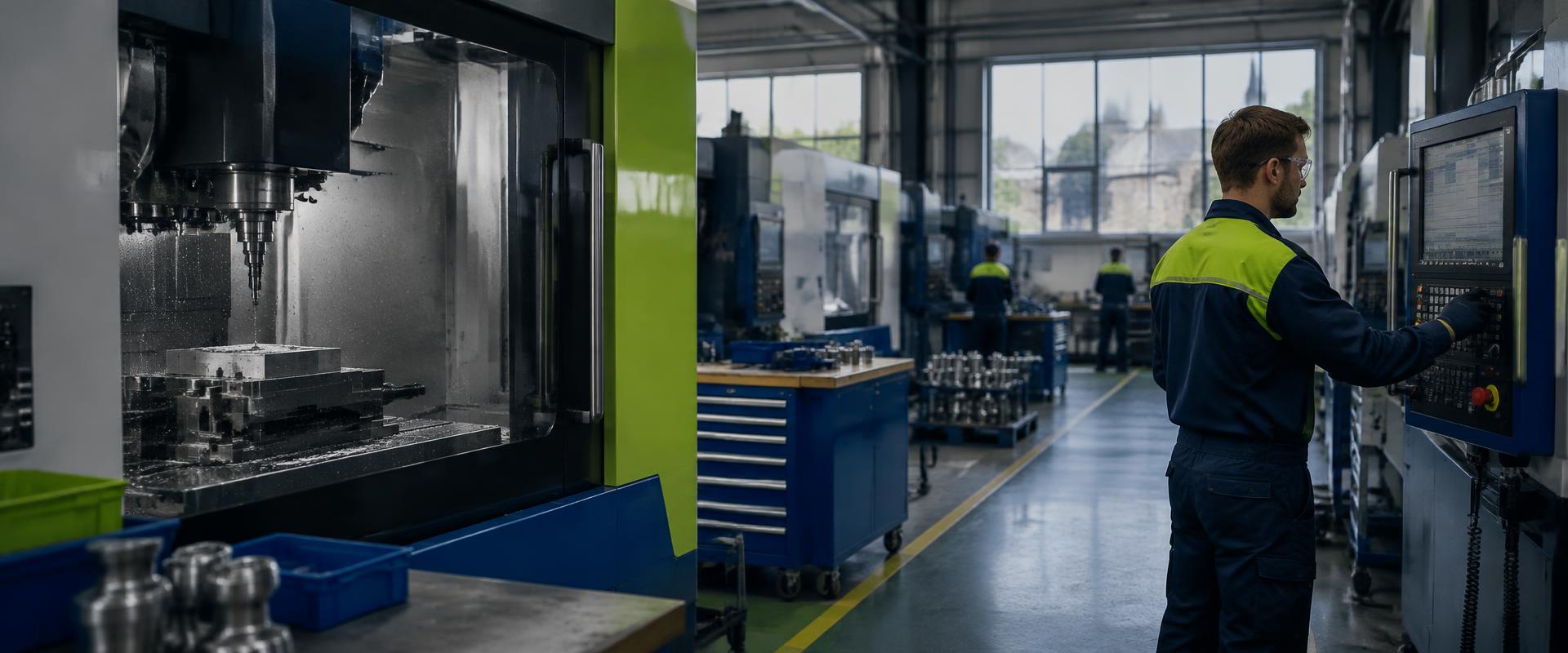
For businesses in manufacturing, engineering, or construction, the web presence is often the first impression a potential partner has. Make that impression count by prioritising clarity, speed, and substance. A thoughtful site can generate leads for years, while a poorly planned one can drive visitors away.
Buzz Media Marketing ltd, based at Unit 228, Northlight Industries, Pendle Rd, Brierfield, Nelson BB9 5FL, UK, phone +44 1282 501535, provides affordable web design, development, hosting and ongoing website care for businesses in Burnley and surrounding Lancashire areas.